Eyelid Surgery Recovery in San Diego: Healing Timeline for Upper & Lower Blepharoplasty
-

Jean-Paul Abboud, MD, PhD
- Jun 8
- 5 min read
What to Expect During Eyelid Surgery Recovery
If you’re considering eyelid surgery — also known as blepharoplasty — one of the most common questions is: “What will the recovery be like?” Whether you’re planning to address drooping upper eyelids, puffiness under the lower lids, or both, understanding the healing process can help you feel prepared and confident.
At Oculofacial Surgical Arts in San Diego, we care for many women in their 40s, 50s, and 60s who want a more rested, youthful appearance around the eyes. The good news? Recovery from eyelid surgery is often quicker and easier than people expect. With the right aftercare and guidance, most patients are back to their usual routines in just a couple of weeks — and enjoying the refreshed look they came in for.
In this guide, I’ll walk you through:
-
A day-by-day and week-by-week healing timeline
-
The differences between upper and lower eyelid surgery recovery
-
Expert aftercare tips to heal faster and more comfortably
-
Frequently asked questions I hear from patients in San Diego and Southern California
Let’s begin with what to expect in the first few days after your blepharoplasty procedure.
Recovery Timeline – How Long Does Healing Take?
Days 1–3: Immediate Post-Op Period
After surgery, it’s normal to experience:
-
Swelling around the eyes (which may increase slightly over the first 48 hours)
-
Mild bruising or discoloration
-
Blurred vision from ointments or swelling
-
A sensation of tightness or dry eyes
During this stage:
-
Use cold compresses to reduce swelling
-
Keep your head elevated, even while sleeping
-
Follow your surgeon’s instructions carefully, especially regarding ointments and post-operative medications
-
Rest and avoid prolonged screen time, reading, or anything that strains the eyes
Most patients feel well enough to walk around the house and perform light activities, but it’s best to have help nearby for the first day or two.
Week 1: Early Healing
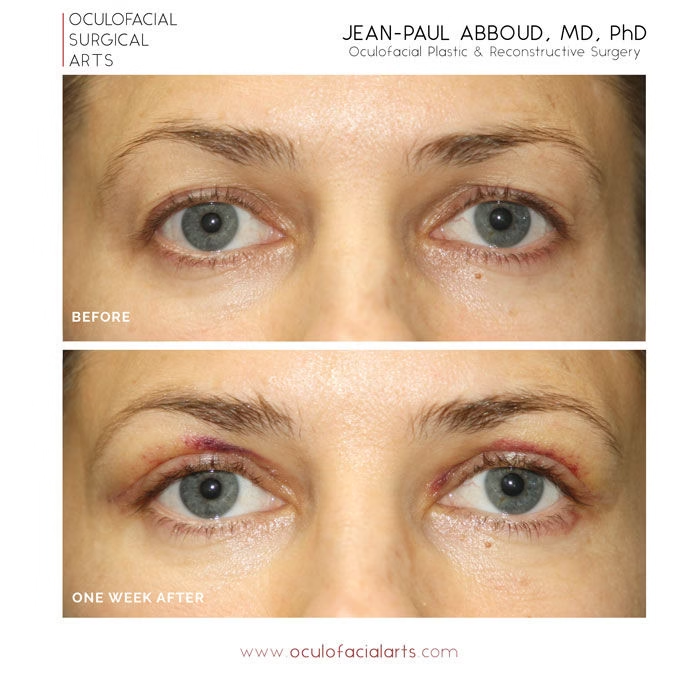
By the end of the first week:
-
Swelling begins to subside
-
Bruising may start to fade (though it may still be visible)
-
Stitches (if not dissolvable) are typically removed around day 5–8
Most patients feel comfortable returning to light activities at this point. You may want to wear sunglasses if you’re going out in public. Some patients resume remote work or non-strenuous tasks during this time.
Weeks 2–3: Returning to Normal
This is when the transformation starts to become more noticeable:
-
Bruising and swelling continue to diminish
-
Redness around incisions fades
-
Most patients feel ready to return to work or social events
You may still have subtle swelling, especially in the morning, but it’s typically not noticeable to others. At this point, most patients can:
-
Resume light exercise (if approved)
-
Wear makeup (especially to conceal redness)
-
Use contact lenses (usually after 14-21 days)
Week 4 and Beyond: Final Refinement
By week 4:
-
Most swelling is gone
-
Incisions start to fade
-
The transformative results of your upper or lower eyelid surgery will soon become fully apparent
Some residual swelling may linger in the lower lids, especially first thing in the morning, but it continues to improve.
Final results — including scar softening and natural-looking contour — are typically seen between 3 to 9 months.