Severe Congenital Ptosis (with a non-functioning eyelid muscle)
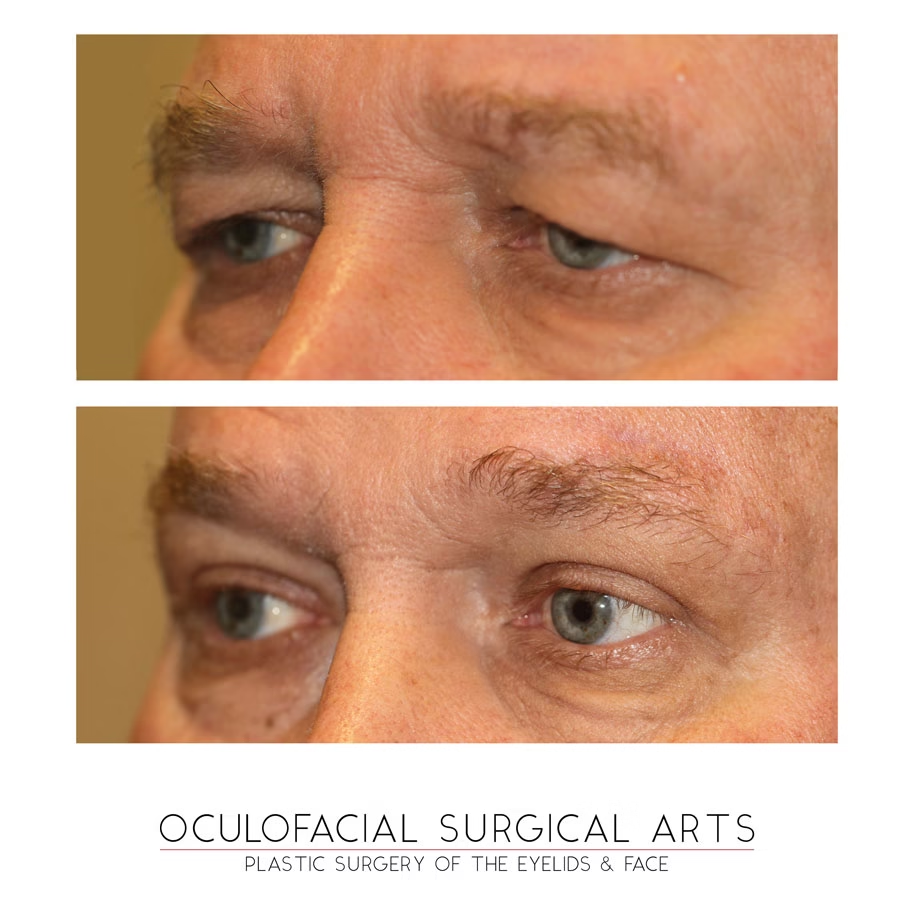
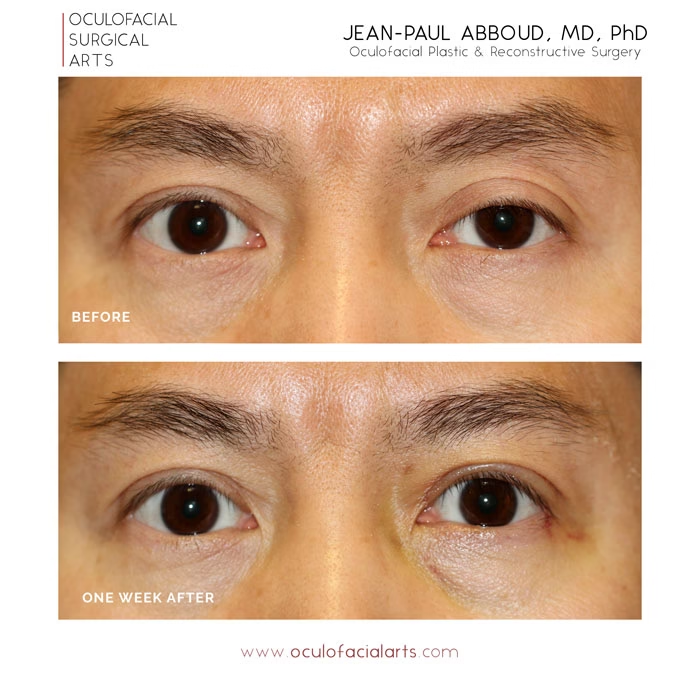
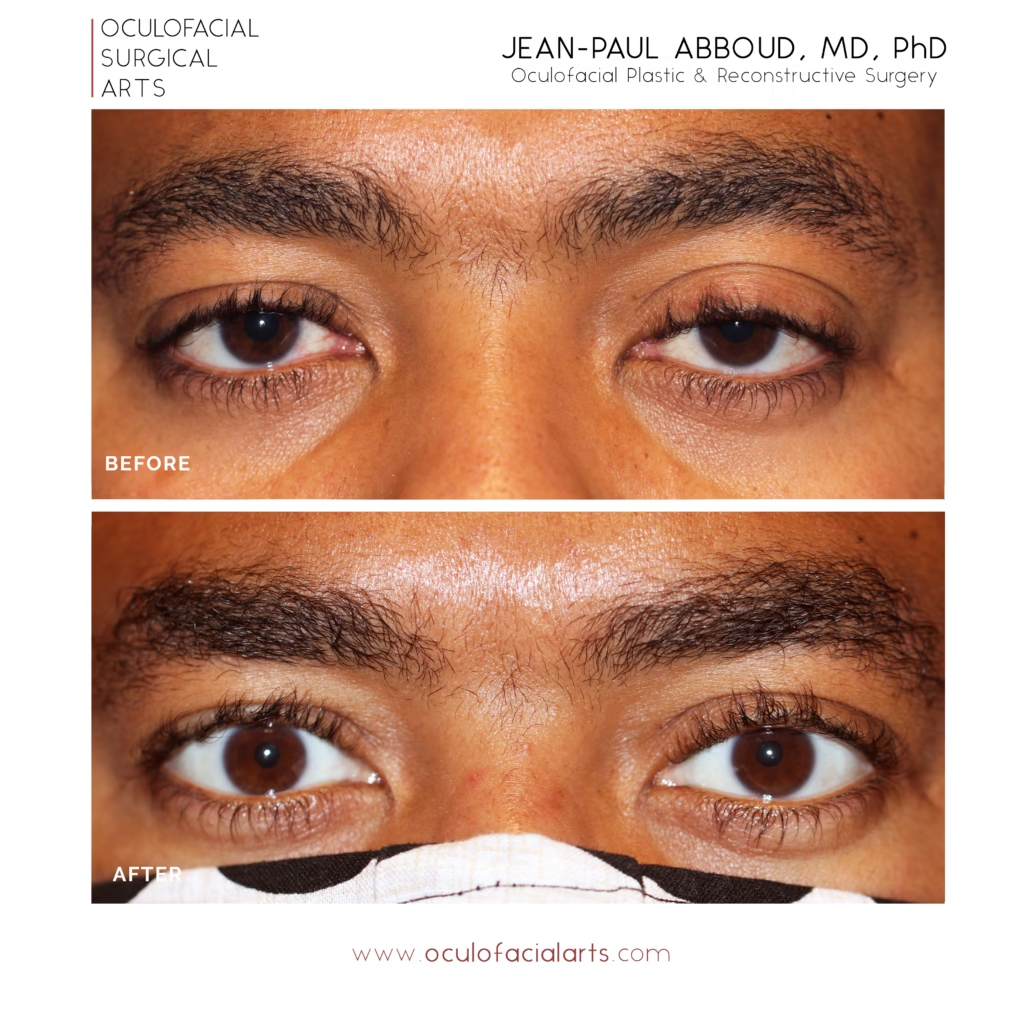
This gentleman had a left upper eyelid that was droopy for 40 years! The droopy eyelid had no functioning eyelid muscle and was present since birth (congenital ptosis). The patient had initially undergone corrective surgery when he was a child. When he was 13 years old, he underwent another revisional surgery with placement of a frontalis sling. Due to complications and eyelid scarring, the sling was removed soon after and the eyelid remained droopy for 4 decades!
Due to absence of an eyelid muscle, Dr. Abboud used the patient’s forehead muscle to help lift his eyelid. He performed repair of his congenital ptosis with a silicone frontalis sling and re-created an eyelid crease. The patient could not have been happier with the results!
Congenital eyelid ptosis is a condition that is often present at birth, whereby the upper eyelid position is lower than normal. It is mostly due to maldevelopment (or even absence) of the muscle that lifts the eyelid, and can occur on one or both sides.
A severe eyelid droopy can potentially interfere with a child’s visual development and cause irreversible vision loss, a condition called amblyopia. For this reason, early recognition and surgical repair is extremely important.
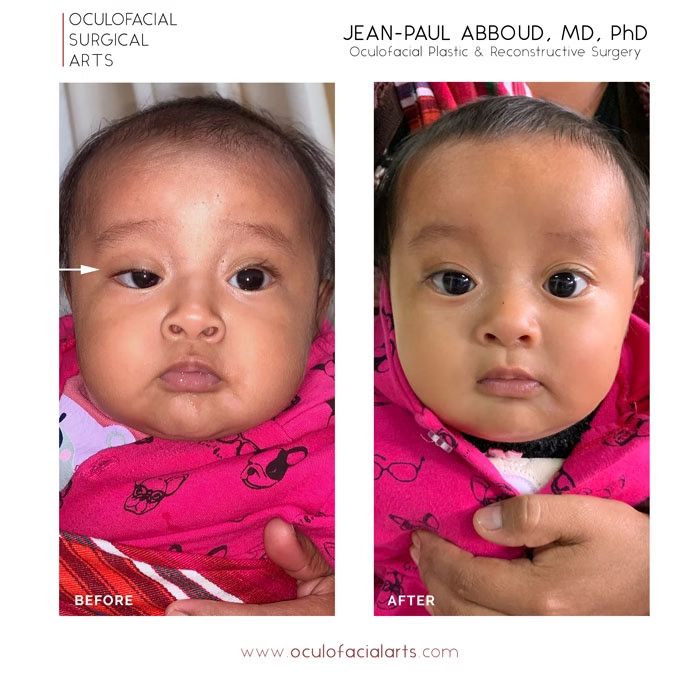
On his most recent medical mission trip to San Cristóbal de Las Casas in Chiapas, Mexico, Dr. Abboud operated on this infant girl with congenital right upper eyelid ptosis using a scarless technique (the incision is on the inside of the eyelid). Even at two weeks after surgery, the little girl’s eyelid had lifted and her eyes appeared more symmetric.
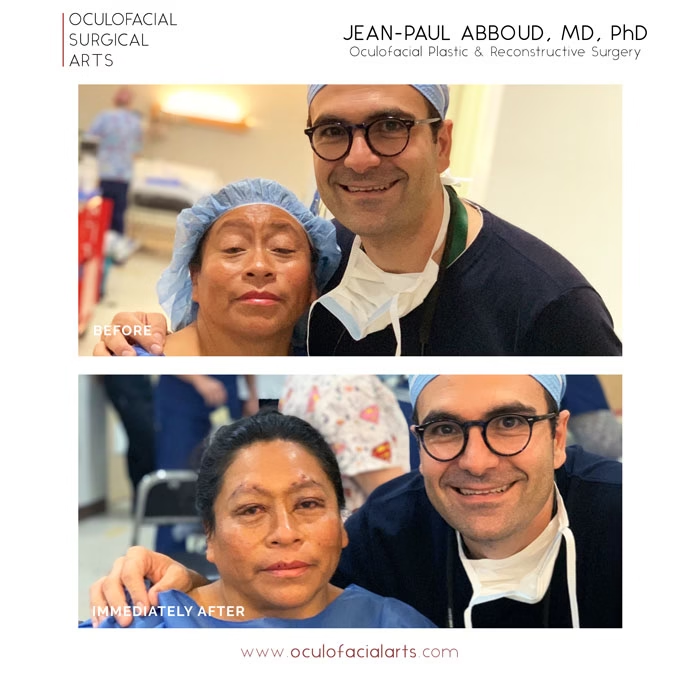
During a medical mission trip to Chiapas, Mexico, Dr. Abboud met a 43-year-old lady who was born with droopy eyelids (congenital ptosis). Neither she nor her parents could afford surgery to correct her condition. Instead, she had been compensating for her droopy eyelids by constantly lifting her brows and adopting a “chin-up” head position. That allowed her to see only from the bottom of her eyes. Due to severe weakness of her eyelid levator muscles, Dr. Abboud recruited her forehead muscles and performed a frontalis sling procedure and re-created an eyelid crease on both sides. Immediately after surgery, her eyes appeared more open and she quickly normalized her head position.
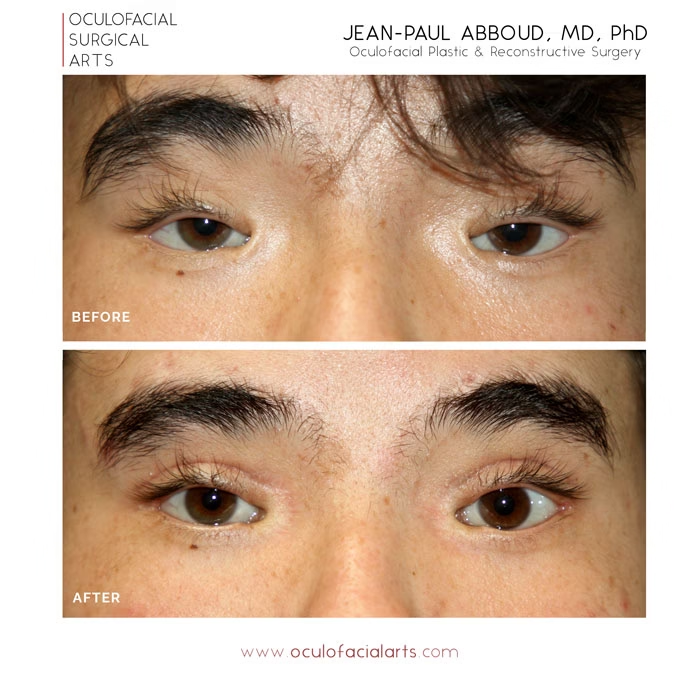
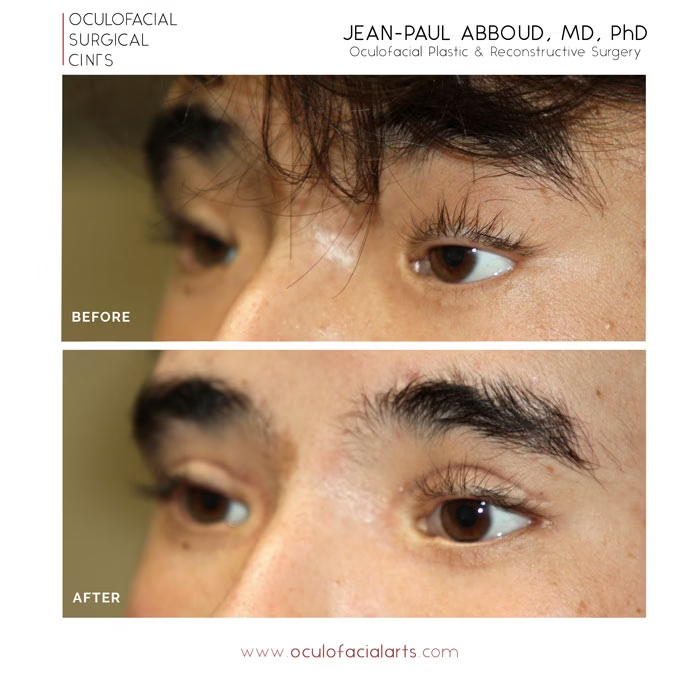
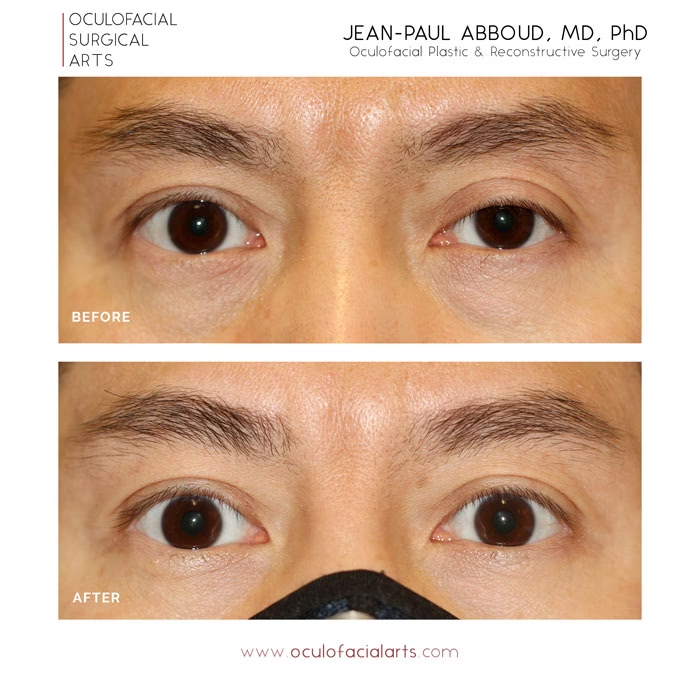
This young man has a condition called Blepharophimosis, Ptosis, Epicanthus Inversus Syndrome (BPES or Blepharophimosis Syndrome for short), a rare inherited eyelid syndrome that presents with four major facial features:
1. Blepharophimosis (the eyes appear more narrow)
2. Epicanthus Inversus (prominent skin folds extending from the lower to the upper eyelid)
3. Telecanthus (widened distance between the the inner corners of the eyes – resulting in the eyes appearing spaced more widely apart)
4. Ptosis (upper eyelid droop due to maldevelopment of the levator palebrae muscle, which normally lifts the eyelid)
Managing the eyelid malformation requires corrective eyelid surgery. For this patient, I performed an epicanthoplasty, medial canthopexy, and lateral canthoplasty to horizontally widen the eyes, as well as upper eyelid ptosis repair to lift the upper eyelids and create eyelid creases.
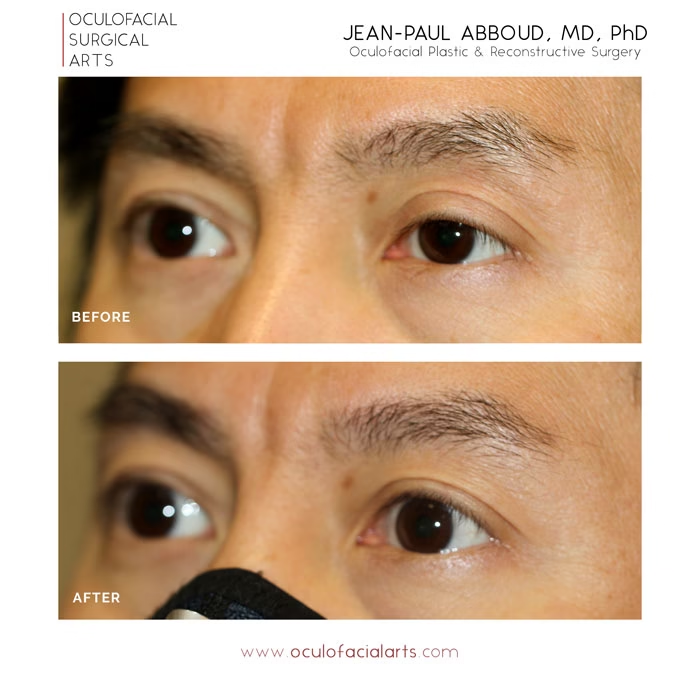
This young man has a condition called Blepharophimosis, Ptosis, Epicanthus Inversus Syndrome (BPES or Blepharophimosis Syndrome for short), a rare inherited eyelid syndrome that presents with four major facial features:
1. Blepharophimosis (the eyes appear more narrow)
2. Epicanthus Inversus (prominent skin folds extending from the lower to the upper eyelid)
3. Telecanthus (widened distance between the the inner corners of the eyes – resulting in the eyes appearing spaced more widely apart)
4. Ptosis (upper eyelid droop due to maldevelopment of the levator palebrae muscle, which normally lifts the eyelid)
Managing the eyelid malformation requires corrective eyelid surgery. For this patient, I performed an epicanthoplasty, medial canthopexy, and lateral canthoplasty to horizontally widen the eyes, as well as upper eyelid ptosis repair to lift the upper eyelids and create eyelid creases.
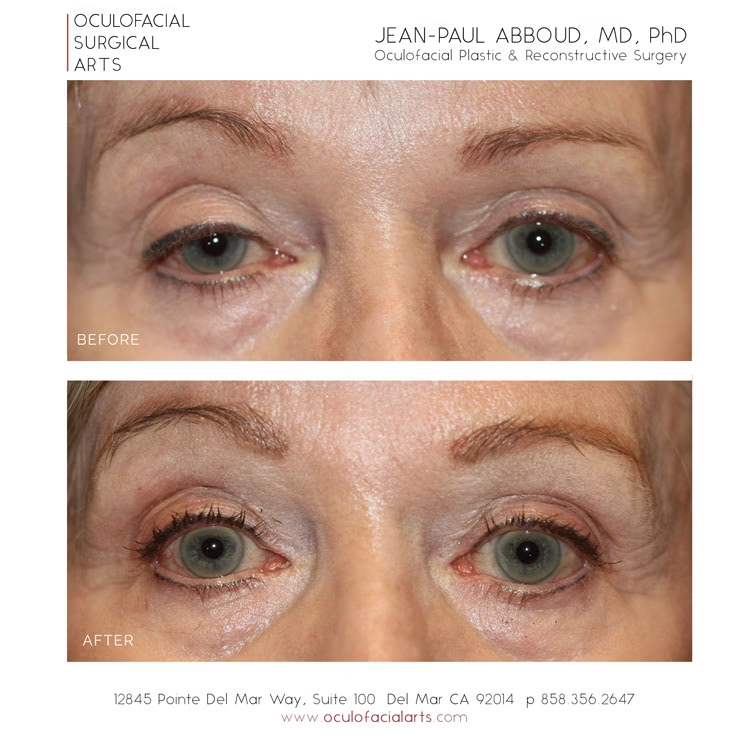
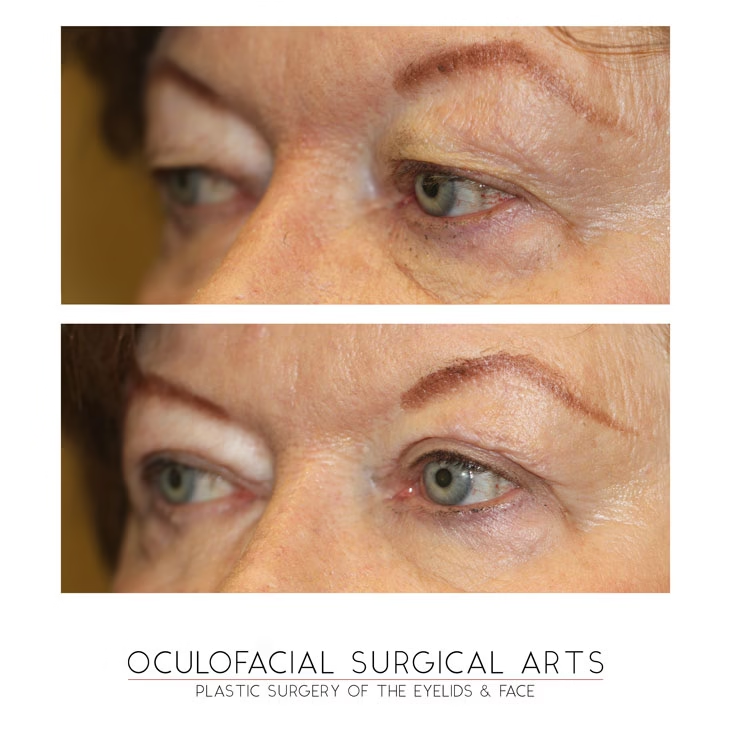
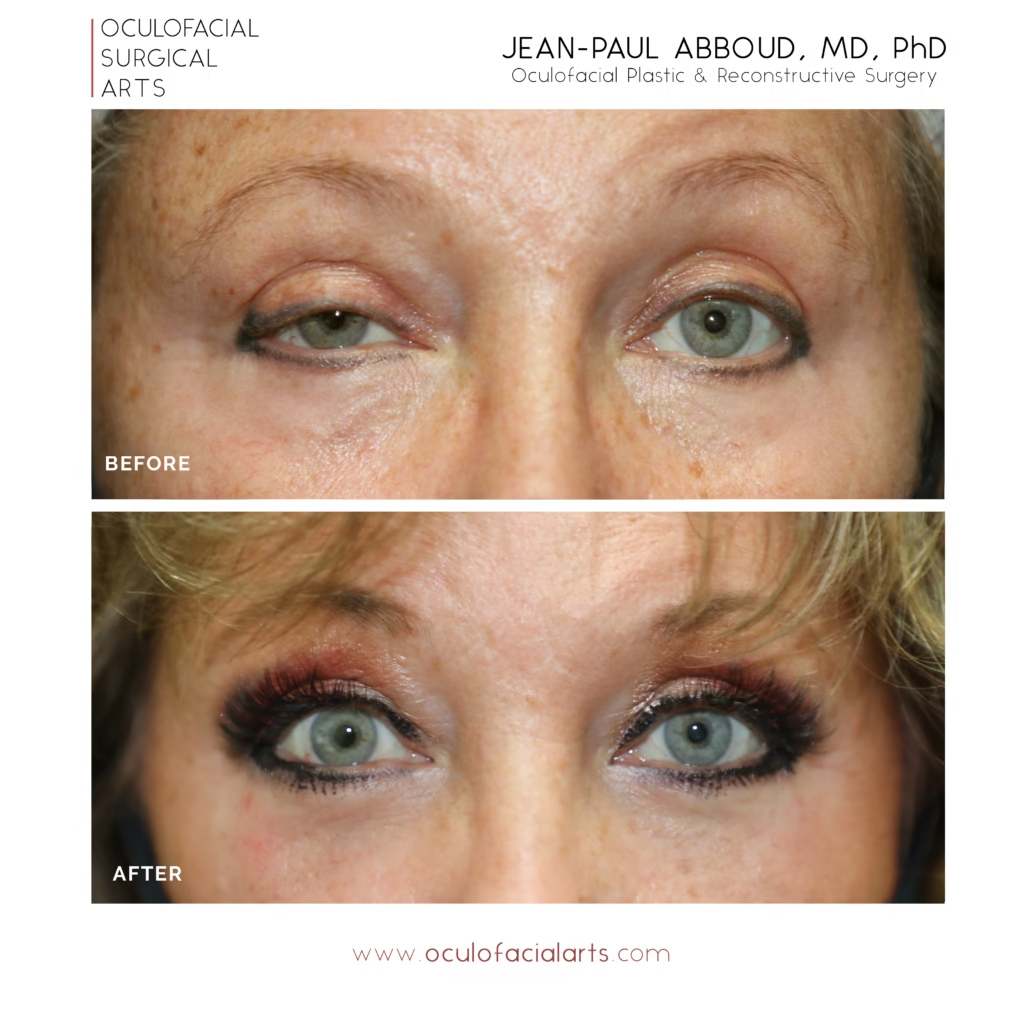
Blepharoplasty involves the surgical removal of redundant eyelid skin and, if necessary, the removal and/or contouring of the fat around the eyes. A customized blepharoplasty tailored to each patient’s aesthetic desires and unique features is essential to achieve the best results. An expert eyelid surgeon (i.e., one with extensive training in oculoplastic surgery), must have the foresight to recognize when to combine a blepharoplasty with other procedures, such as a brow lift, lower eyelid blepharoplasty, and eyelid ptosis repair (eyelid lift) to achieve the desired results.
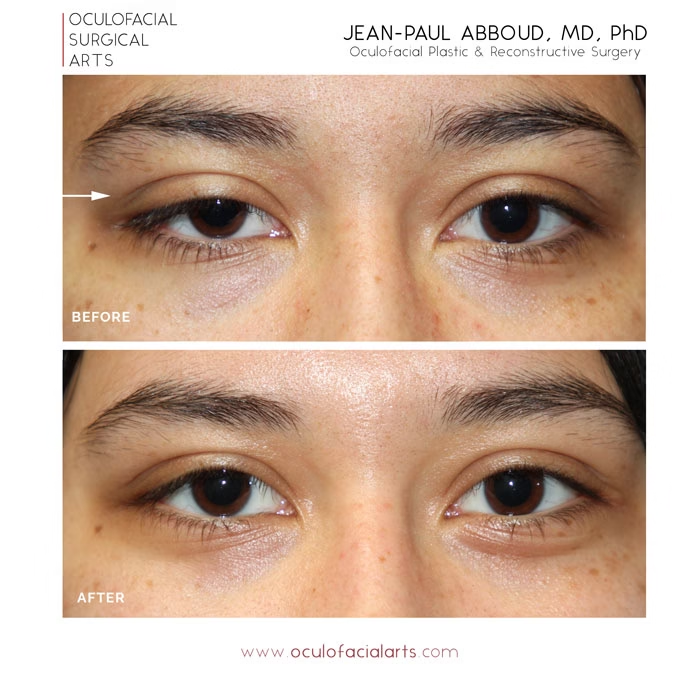
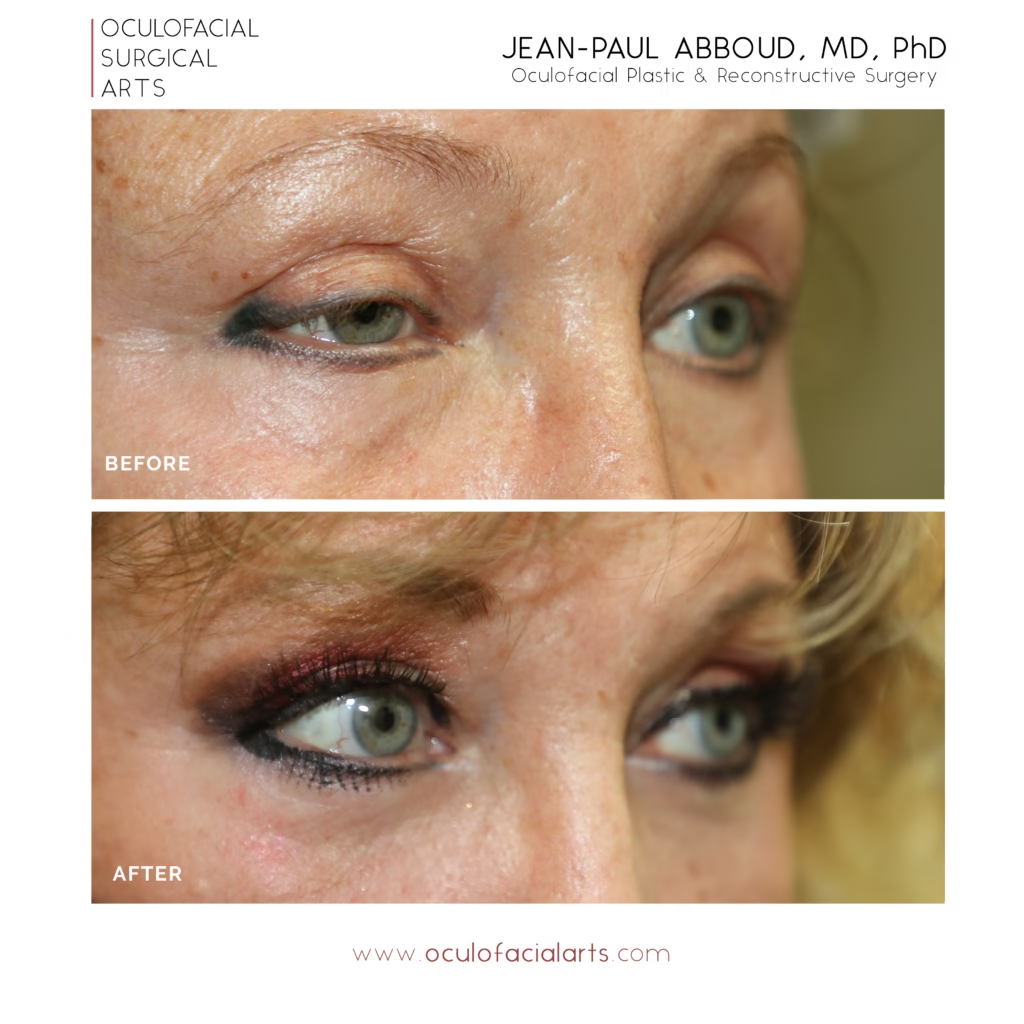
This pleasant lady underwent upper eyelid blepharoplasty and ptosis repair with Dr. Abboud. Results shown here are six weeks after surgery.
Blepharoplasty involves the surgical removal of redundant eyelid skin and, if necessary, the removal and/or contouring of the fat around the eyes. A customized blepharoplasty tailored to each patient’s aesthetic desires and unique features is essential to achieve the best results. An expert eyelid surgeon (i.e., one with extensive training in oculoplastic surgery), must have the foresight to recognize when to combine a blepharoplasty with other procedures, such as a brow lift, lower eyelid blepharoplasty, and eyelid ptosis repair (eyelid lift) to achieve the desired results.
This pleasant lady underwent upper eyelid blepharoplasty and ptosis repair with Dr. Abboud. Results shown here are six weeks after surgery.
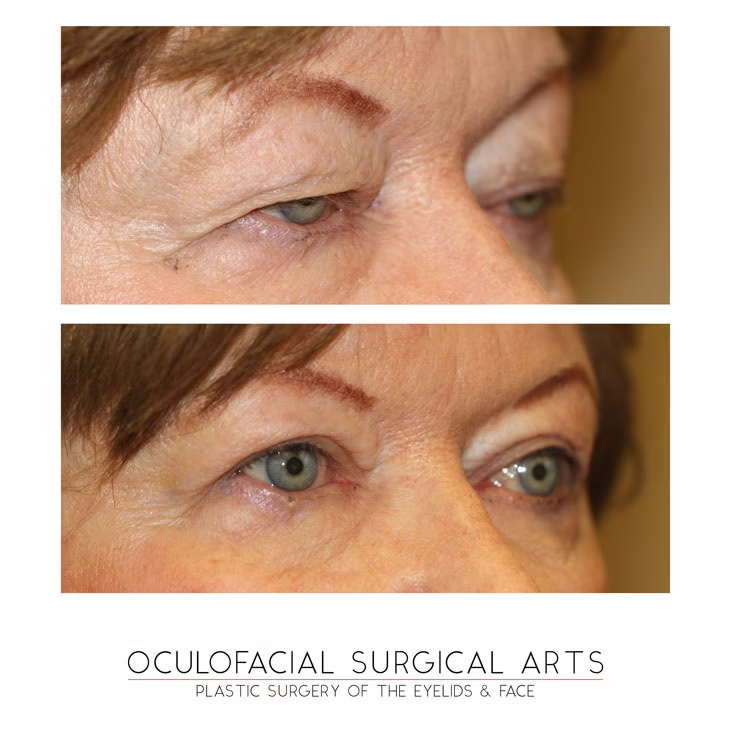
This lovely lady underwent upper eyelid blepharoplasty and ptosis repair, as well as a lower eyelid blepharoplasty with repositioning of the eyelid fat. This technique allows a smooth transition between the lower eyelid and the cheek junction, thus softening the tear trough. Results shown are one month after surgery.
This lovely lady underwent upper eyelid blepharoplasty and ptosis repair, as well as a lower eyelid blepharoplasty with repositioning of the eyelid fat. This technique allows a smooth transition between the lower eyelid and the cheek junction, thus softening the tear trough. Results shown are one month after surgery.
This lovely lady underwent upper eyelid blepharoplasty and ptosis repair, as well as a lower eyelid blepharoplasty with repositioning of the eyelid fat. This technique allows a smooth transition between the lower eyelid and the cheek junction, thus softening the tear trough. Results shown are one month after surgery.
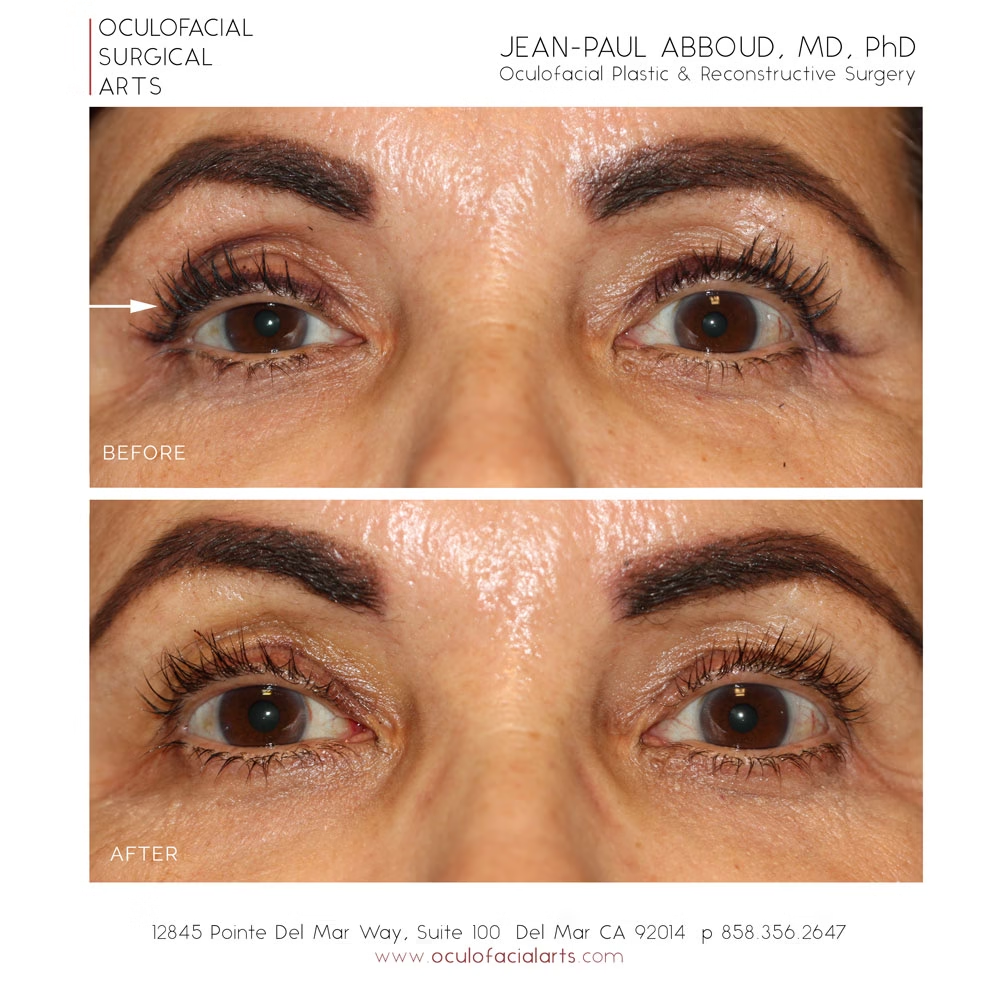
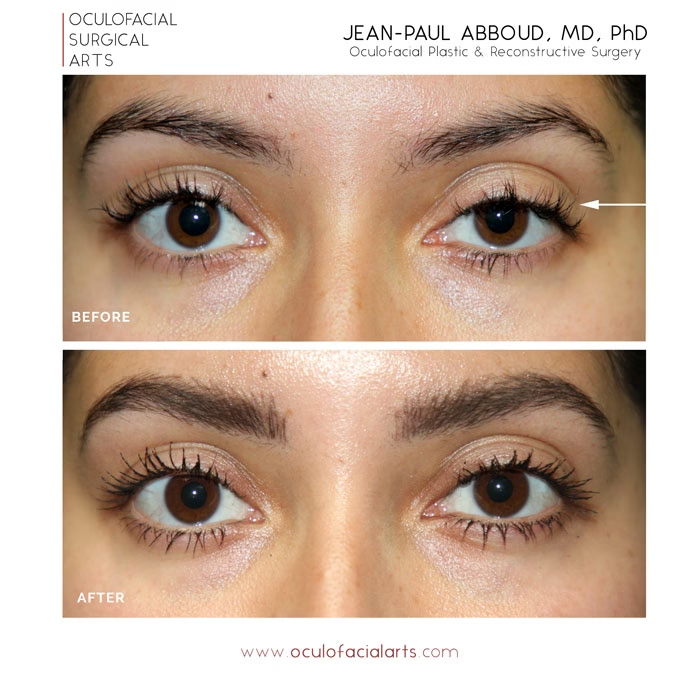
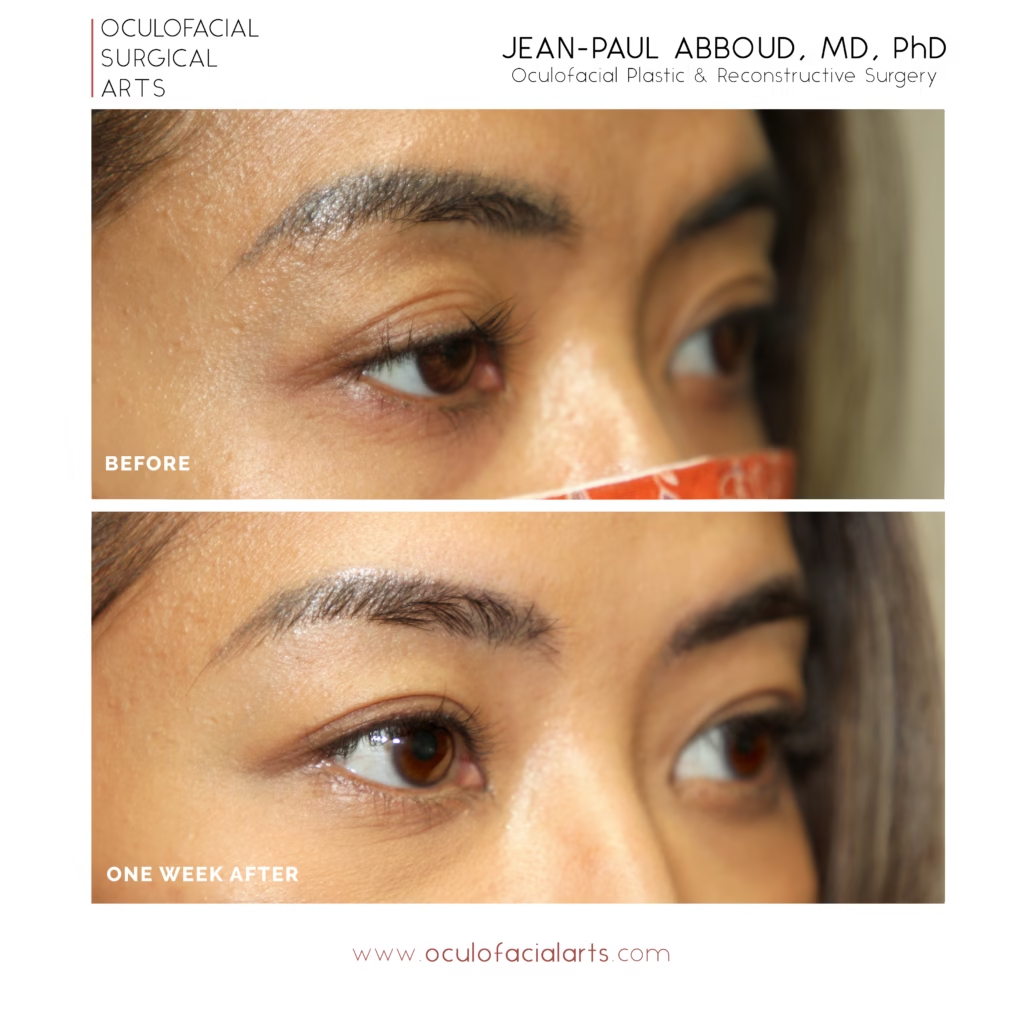
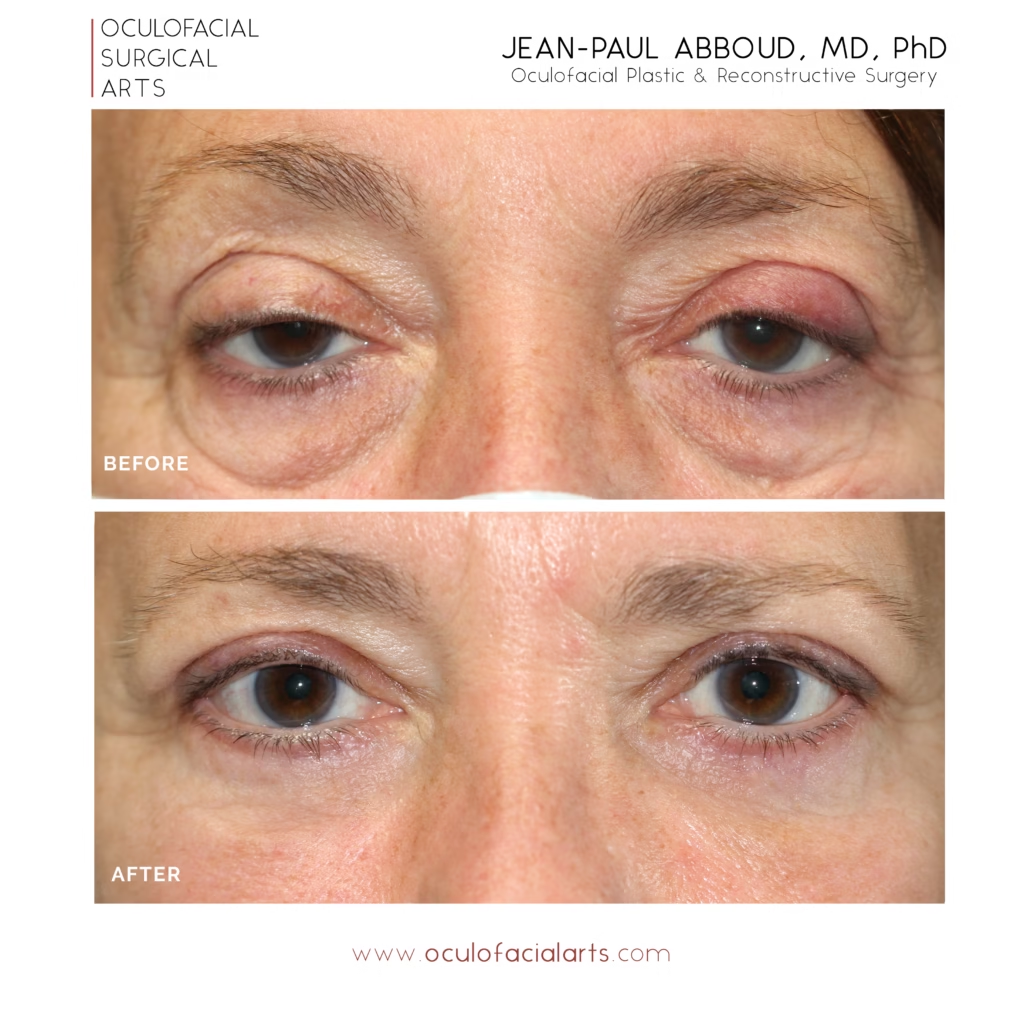
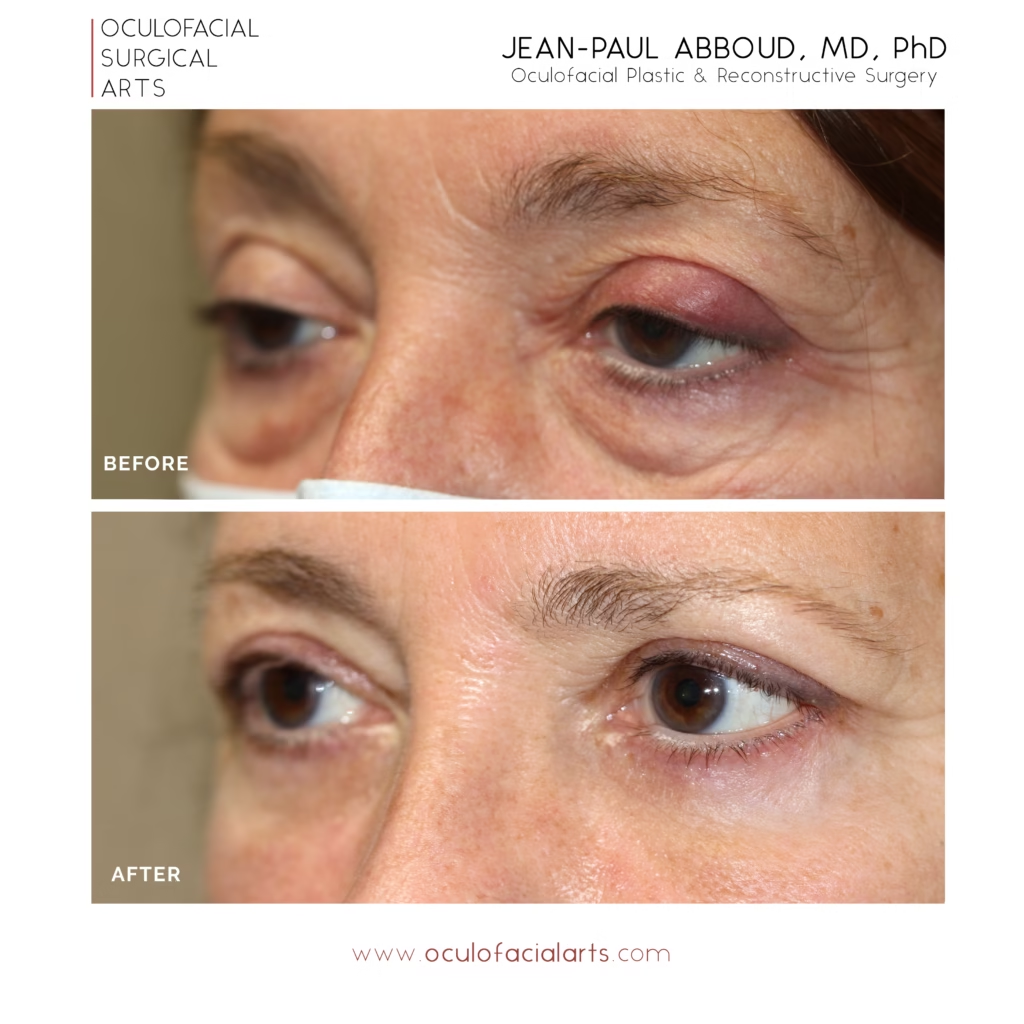
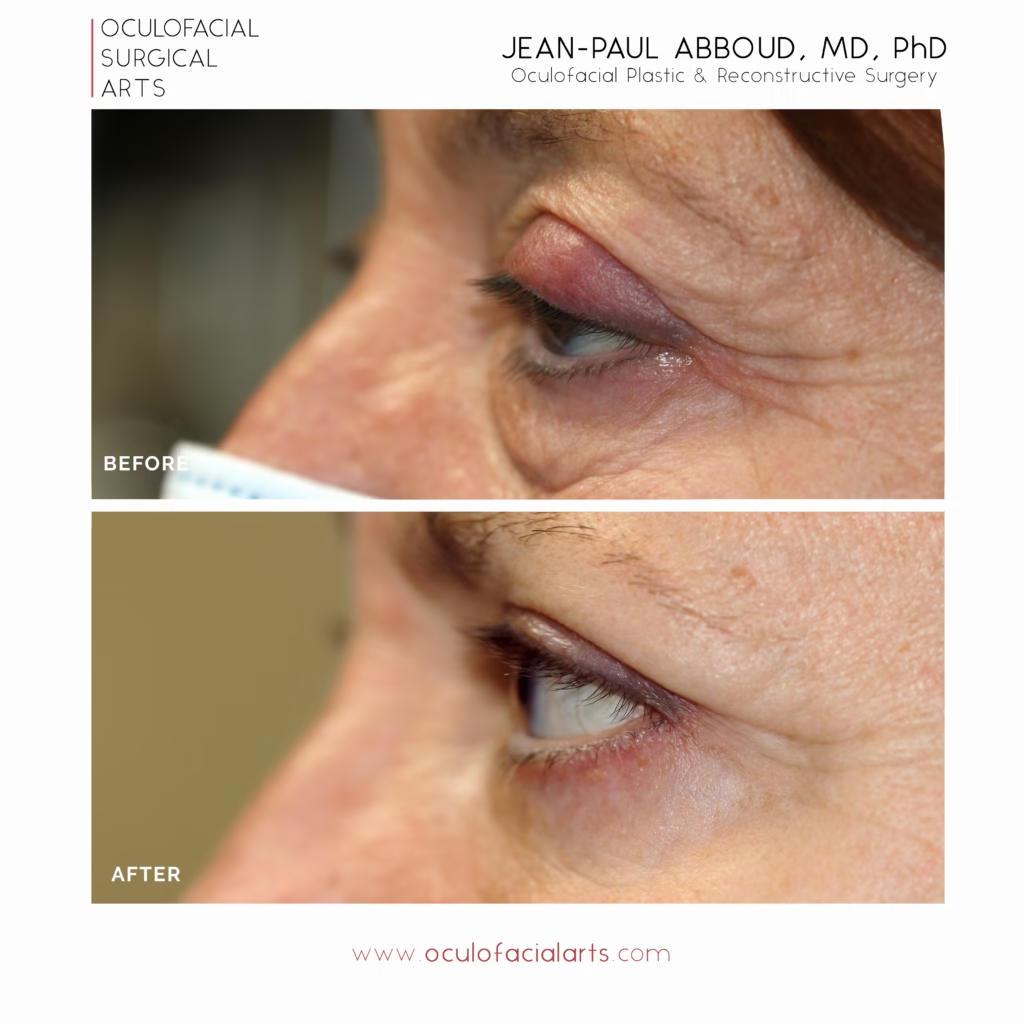
To rejuvenate this lovely patient’s eyes and achieve eyelid symmetry, Dr. Abboud used a customized approach based on her aesthetic desires and distinct features. He performed a scarless right upper eyelid lift (ptosis repair) and scarless lower eyelid blepharoplasty with repositioning of the eyelid fat to rejuvenate the under eye area. By using a hidden incision technique, Dr. Abboud was able to perform the surgery on the upper and lower eyelids using incisions on the inside of the eyelids. This technique obviates placing incisions on the skin and prevents the development of any visible scars.
The patient could not be happier with the results!
To rejuvenate this lovely patient’s eyes and achieve eyelid symmetry, Dr. Abboud used a customized approach based on her aesthetic desires and distinct features. He performed a scarless right upper eyelid lift (ptosis repair) and scarless lower eyelid blepharoplasty with repositioning of the eyelid fat to rejuvenate the under eye area. By using a hidden incision technique, Dr. Abboud was able to perform the surgery on the upper and lower eyelids using incisions on the inside of the eyelids. This technique obviates placing incisions on the skin and prevents the development of any visible scars.
The patient could not be happier with the results!
Schedule a Visit
Eyelid Ptosis (Eyelid Lift) Consultation
If you are considering surgery and would like to have an in-person consultation with Dr. Abboud, please contact us to schedule an appointment and learn more.
Surgical eyelid revision to address cosmetic or functional concerns of patients who have had unsatisfactory or problematic results from previous cosmetic eyelid procedures.
MALE BLEPHAROPLASTY
Customized eyelid enhancement and periocular rejuvenation for our male patients.